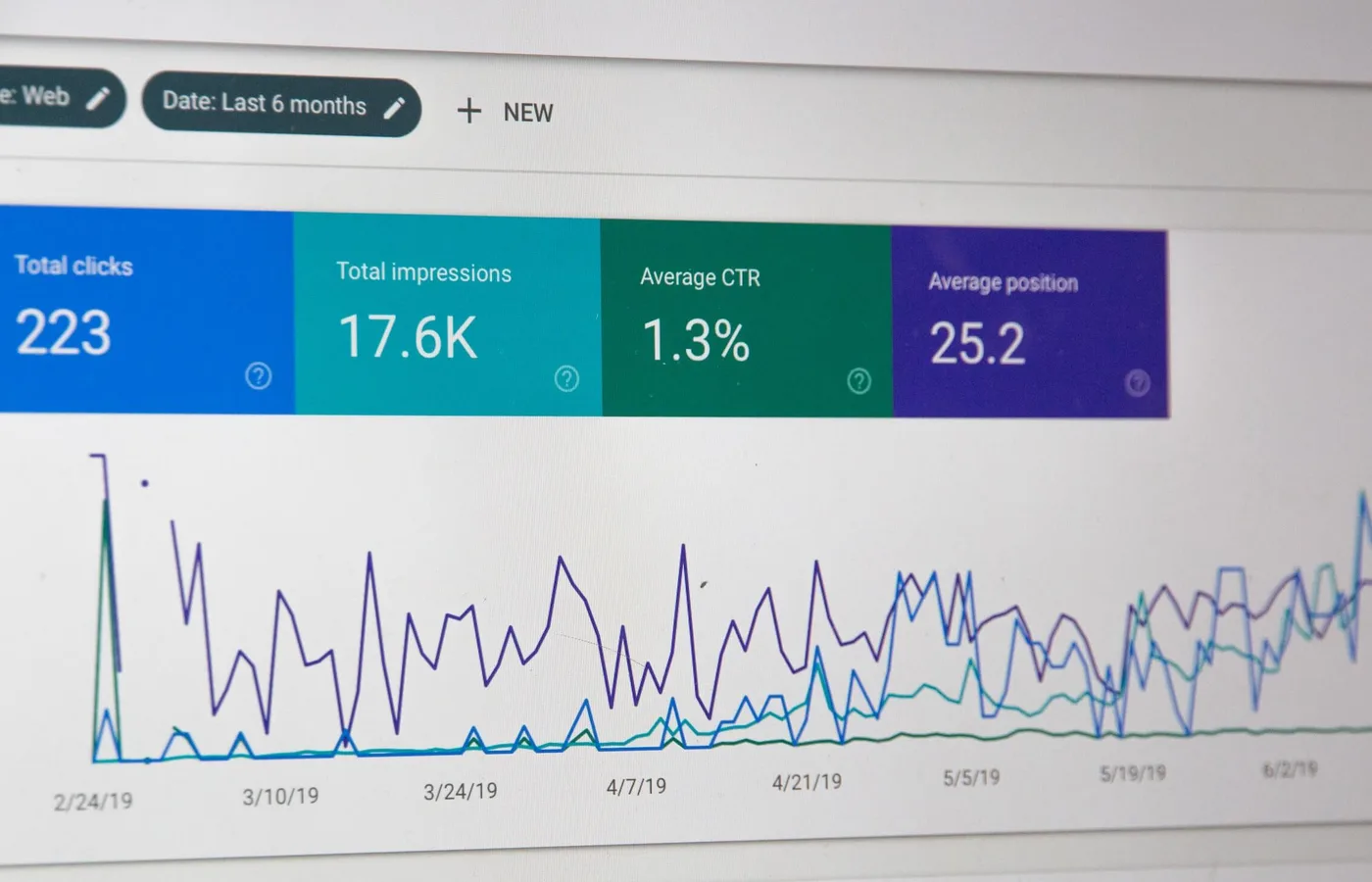
The report says traffic is up. The campaigns are getting clicks. Lovely.
Has anybody asked about the work? Bought anything? Had a conversation your team could actually turn into business?
I’m interested in those answers before celebrating the traffic graph. Not because visits don’t matter, but because we need to know what happens after them.
Acquisition and conversion are different jobs
Organic search concerns how relevant pages are discovered and presented in unpaid results. Search advertising is a paid route to reaching people in a particular context. Neither should be mistaken for the complete buying journey.
Someone can click for the wrong reason. Someone can click for the right reason and meet an irrelevant page. Someone can understand the offer and still decide it is not suitable.
Your job is to distinguish those situations, not assign every disappointment to the same channel.
Make the destination honour the promise
When an ad describes a specific service, take the visitor to that service and explain it clearly. Do not force them to navigate from a broad homepage unless that is genuinely the best destination.
Keep the language and offer coherent. Show the evidence the claim needs. Make the next step appropriate to how much the person knows.
A new visitor may be ready to look at an example before committing to a call. A returning prospect may want a price and scope rather than another introduction to the agency.
Look for the actual point of failure
Are the visitors relevant? Is the offer understandable? Does the price fit the audience? Is the form working? Are enquiries being answered? Does the sales conversation continue what the page promised?
A website cannot compensate indefinitely for an offer nobody wants. Equally, a good offer can be made unnecessarily difficult to buy.
Inspect the whole chain. Use conversations and task testing alongside available measurement. Treat an enquiry as useful because it fits the business, not merely because an event counter increased.
Which campaign would you rather pay for?
Consider two campaigns with the same spending. One brings many inexpensive clicks and no suitable enquiries. The other brings fewer visits and a genuine project conversation.
I know which conversation I’d want to understand before moving the budget.
Define what counts as a qualified enquiry, a proposal and a sale. Keep the stages separate so you can see where the process loses momentum. An enquiry count cannot tell you whether the scope fits, the prospect can buy or the project would be worthwhile to deliver.
Use the data you are entitled and able to collect, and be clear about what it cannot explain. Ask the team handling enquiries what they are hearing as well. The answer may be “everyone is asking for a service we don't offer”, which is rather more useful than another chart of clicks.
Search visibility is not the same as an assured visit
Google's AI-search features use the same basic eligibility and content foundations as ordinary Search. Meeting those foundations does not ensure indexing, inclusion in an answer or a click.1
Useful information can still help someone evaluate the business. That makes clear positioning and a trustworthy destination important whether the visitor arrives through an ad, a recommendation or a search result.
At Awove, our part is the strategy, message and website people encounter. A specialist may handle campaign buying or ongoing search work. The handover between those jobs needs to make sense.
Follow one real enquiry from the original promise to the response it received. Where did the customer get confused? What did the team have to explain again? That gives you something to improve before asking the campaign to send more people through it.